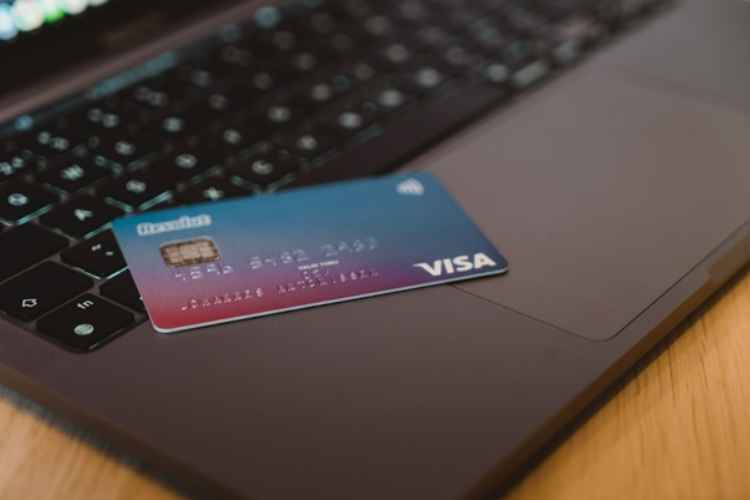

The opportunity to buy goods and services online is very convenient. The percentage of purchases made via the Internet is steadily growing every year. Since there is a demand for such a form of payment, your business cannot remain on the sidelines. Modern merchants should offer their customers the most demanded payment methods. Use a reliable payments gateway to keep up with the times while ensuring the highest level of data protection for your customers.
What Is a Payment Gateway?
A payment gateway is a technical solution that acts as an intermediary and allows merchants to accept customer payments online. By and large, any store should use it to cooperate with buyers. It does not work with finances straight as an intermediary but only redirects them and other information to the appropriate institutions. The platforms that provide such payment systems receive a percentage for processing transactions, the amount of which directly depends on your turnover. There is also a fee for connecting a gateway.
Why Do You Need It?
In short, every merchant who plans to accept payments for their goods and services via the Internet needs a payment gateway. In more detail, such systems have a fairly broad list of advantages:
- Global coverage. Using a reliable gateway, you can accept money from anywhere in the world, at any time, and in any currency. It will expand your client base and bring the business to the international level.
- Protection of clients’ financial information. As a business owner, it is your responsibility to keep your customers’ data safe. A payment gateway encrypts all the info passing through it and stores it (if necessary) in this encrypted form.
- Convenience for customers. With the rise in online payments, your buyers should be able to pay for goods and services online. They can do it quickly, without understanding complex payment nuances, and using a bank card of any payment system.
Moreover, reliable payment gateway providers offer quality customer support. If some untypical situation causes the system malfunction, they will solve the problem quickly. Thus you can minimize downtime when customers are unable to pay.
How to Choose It?
The most straightforward answer would be to trust well-known platforms. However, you should be wise and analyze all the options available to you when choosing a payment gateway. Perhaps, lesser-known providers offer better terms. So which factors should you look out for first?
1. Safety
Gateway security is the key to the success of your business. If the product you choose does not provide the proper level of data protection, you risk losing money, your customer base, and tarnishing your reputation. A payment gateway should use both standard and advanced security measures to prevent it from happening.
For reliable data encryption, it should have SSL/TLS protocols. The system should be GDPR and PCI DSS compliant to work with sensitive data. It is also recommended to use two-factor authentication on the site. All these and other modern anti-fraud measures will protect you and your clients from personal information theft. By the way, the availability of certificates and security icons on the site can increase customer confidence in your business.
2. Currencies and Payment Methods
When you offer clients a wide variety of payment options, you expand the customer base. The number of currencies that a payment gateway can process is of particular importance if your business is international. Some platforms accept about 10 of them, while others offer unlimited options and accept currencies from any country. The same applies to payment methods. You can take payments not only from bank cards but also from electronic wallets and mobile payment systems. Thanks to it, your buyers will be able to choose the option that is most convenient for them.
3. Ease of Use
You don’t need to be an advanced IT specialist to try a payment gateway. It should be simple and convenient to use. The service you choose should integrate into your platform from a technical point of view and fit in the design.
Besides the fact that you should be comfortable using such a system, you should also think about the customer experience. In this case, the speed of transaction processing is important. After all, the sooner the payment procedure is completed, the more favorable the visitor’s impression of the site will be. You also need to think about the location of a payment form. The gateway can be embedded into your site (using an API) or redirect customers to a third-party service.
4. Customer Support
As stated, it is essential that the service provider offers high-quality customer support. You might need the help of specialists in solving emergencies. Full customer support will allow you to deal with any issues quickly. It is good if the company you have contacted offers the opportunity to work with a personal manager. Such a specialist can lead and advise your company from the very beginning and know all the nuances of your work. While customer support doesn’t seem to be a key factor, its lack can negatively impact your store’s performance.
5. Cost
Of course, a payment gateway is not a free service. For each transaction, you have to pay a commission to the service provider. The list of what the interest is taken for can be quite extensive: transactions, statements, chargebacks, account management, customer charges for using a certain payment method, etc. That is why, before concluding a contract, you should familiarize yourself in detail with the pricing policy, which might differ depending on the field of activity. As a rule, high-risk businesses are subject to large commissions.
Take Business to the Next Level with a Reliable Payment Gateway
Now you know all about choosing the right payment gateway for your business. Follow these simple guidelines to find the perfect product with convenient functionality. With such systems, you will be able to improve user experience, expand your customer base, and take the company to the next level.