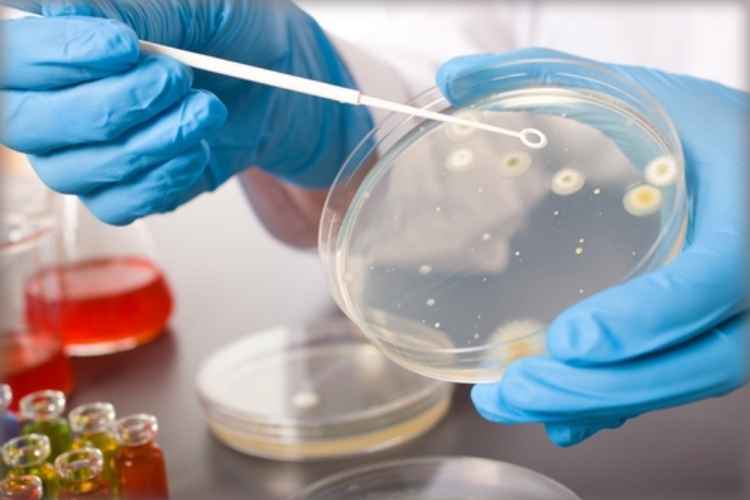

Pharmaceutical manufacturers are now embracing the most advanced automated methods in their production processes; many are equally keen to adopt cutting-edge techniques and equipment for high-quality microbiological testing. The century-old manual way is still the norm, and most companies are now spending countless hours of highly skilled labor on repetitive tasks.
With the development of rapid microbiological methods (RMM), these are gaining popularity. Moreover, regulations have changed to make the migration to RMM easier when compared to the past. Also, it comes with added benefits, including labor-saving. The reduced OOS investigation makes it advantageous to move away from the traditional method.
However, here we focus on common impactful limitations of the manual method.
Time
The traditional microbial testing method requires time for microbes to grow and multiply enough to be seen by the human eye. After the colonies become visible, every plate is counted and recorded.
Unfortunately, highly valuable trained microbiologists have to waste time in analyzing a hundred plates simply. There is an advanced system that helps reduce the total test time by about 50%. Further, the system reads the latest every four hours; therefore, it can detect contamination early. Meanwhile, the system also handles hundreds of plate readings, recording and reporting results automatically.
Limited Accuracy
In the high-risk and highly regulated pharma industry, manual microbiological testing allows for a great degree of human error. Besides, colonies must grow to millions of cells before the naked eye can detect them, and even the most well-trained and qualified technicians can mistake them.
When working on strict specifications for acceptable levels of growth, the inaccuracy may lead to unnecessary OOS investigations and undetected contamination.
Transfer Error
Microbiological testing requires serial incubation. Samples need to be transferred from one incubator to another at a different temperature at a specific time. With the manual methods, there’s a need for additional human intervention. You should keep that in mind that every time a technician transfers a sample, there is potential for an error. Now such errors may lead to an out-of-specification event.
Data Entry Errors
Even when technicians perform their manual counts perfectly, there’s still a high chance of error, specifically when it’s about record counts on paper or in their LIMS. Each sample must be accounted for whether they’ve exhibited growth or not, and technicians can make mistakes when dealing with hundreds of such models.
Ultimately, all such types of errors lead to inaccurate counting.
Difficult Interim counts
Most manufacturing departments generally prefer interim counts, especially when the products undergo time-consuming sterility tests or when large volumes are awaiting shipment.
With the advanced automation technology, Microbiological testing can be instantly checked with their most recent counts. Meanwhile, microbial testing requires just as much labor for interim counts as it does for final results.
Technicians need to pull plates from the incubator, run manual counts, and record results. Also, with each task, there comes an additional opportunity for in-process contamination and human error. When you have the most advanced technology, you can always move ahead of the barrier.