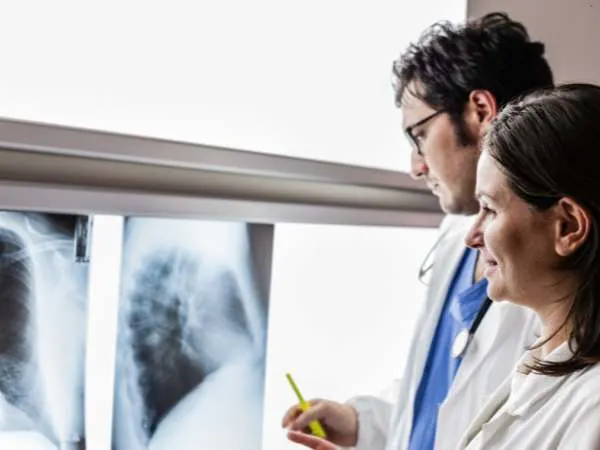

In today’s rapidly evolving healthcare landscape, artificial intelligence (AI) is no longer just a futuristic concept—it’s an essential tool helping to bridge critical gaps in care. One area where AI is making a particularly powerful impact is in the field of radiology, especially in rural and underserved communities. While there has been some concern that AI might replace medical professionals, organizations like The Radiology Group are showing how AI can be used to support radiologists, not replace them.
By integrating AI into daily workflows, radiologists can focus more on their patients, make faster and more accurate diagnoses, and reduce burnout caused by overwhelming workloads. These changes are especially important in rural settings where resources are limited, and patients often face long wait times or must travel great distances to access specialized care. AI offers an opportunity to transform this reality by improving both access and quality of care.
AI as a Partner, Not a Replacement
One of the most common misconceptions about AI in healthcare is that it’s here to take jobs. But in reality, AI is proving to be an incredibly helpful partner. It’s being used to handle repetitive and time-consuming tasks, allowing radiologists to spend their time and expertise where it matters most—on complex cases and patient care. For example, AI can quickly review imaging studies and flag urgent findings, making sure critical cases are moved to the top of the worklist for immediate review.
The Radiology Group, a national provider of radiology services based in Atlanta, has embraced this supportive model of AI. Their team sees AI as a valuable tool that enhances radiologists’ abilities, not something that replaces them. With this mindset, they’ve integrated AI in ways that improve efficiency without sacrificing the human touch that’s so important in healthcare.
The company’s use of AI technology, including tools like RadiLens, shows how dynamic worklist management can revolutionize radiology workflows. These systems help automatically sort and prioritize cases, ensuring that the most urgent scans are read first. For hospitals and clinics in rural areas, this can be the difference between a delayed diagnosis and timely, potentially life-saving care.
Supporting Radiologists in Underserved Communities
One of the biggest challenges in rural healthcare is access. Many small or remote hospitals simply don’t have full-time radiologists on staff. Instead, they may rely on outsourced services or delayed interpretations, which can put patients at risk. AI is now helping to fill in some of these gaps by supporting faster turnaround times and more consistent quality of care, even when radiologists are working remotely.
According to Dr. Anand Lalaji, a musculoskeletal (MSK) radiologist and CEO of The Radiology Group, AI adoption has already made a measurable difference. The company reports a 30% improvement in turnaround times (TAT) and a 12-15% increase in overall efficiency margins. These improvements aren’t just about numbers—they reflect real-world changes in how quickly and accurately patients receive their diagnoses.
By streamlining workflows and eliminating unnecessary delays, AI allows radiologists to serve more patients in less time, without compromising quality. This is particularly important in rural settings, where a single radiologist may be responsible for reviewing studies from multiple facilities. With AI assistance, those radiologists can maintain high standards of care while managing a more efficient workload.
Fighting Burnout With Smarter Tools
Burnout is a growing concern in the medical field, and radiology is no exception. With high volumes of images to interpret, constant interruptions, and demanding schedules, radiologists often face significant stress. AI can help reduce that burden by automating repetitive tasks, minimizing distractions, and making work environments more manageable.
One example is AI’s ability to reduce what’s called “context switching”—the need for radiologists to constantly shift focus from one case to another based on priority changes, alerts, or administrative tasks. Tools like RadiLens intelligently manage the reading list, automatically prioritizing the most critical exams while keeping the queue organized. This allows radiologists to maintain focus and flow, ultimately leading to better results and less fatigue.
By using AI to handle the logistics of worklist management and triage, radiologists are free to focus on what they do best: interpreting images and supporting clinical decisions. This contributes not only to better patient care but also to higher job satisfaction and reduced turnover in the profession.
Empowering Better Patient Outcomes
At its core, the use of AI in radiology is about improving patient outcomes. Faster diagnoses mean quicker treatments. More accurate interpretations lead to fewer errors. In rural areas, where patients may already be facing disadvantages due to geography or lack of local specialists, these improvements can be especially impactful.
The Radiology Group’s approach to AI integration is centered on patient care. They use technology to support radiologists in doing their best work—not to cut corners or replace medical expertise. This balanced philosophy ensures that the benefits of AI are realized without losing the essential human connection that defines great healthcare.
In many cases, AI can serve as a safety net. For instance, if an AI system flags an image that looks abnormal, it can bring that case to the radiologist’s attention faster than it might have been otherwise. That’s not replacing the radiologist’s judgment—it’s enhancing it with a second set of eyes. This type of collaboration between humans and machines is where AI truly shines in medical settings.
Responsible Innovation in Healthcare
As technology continues to evolve, so does the potential for AI in medicine. But innovation must be guided by thoughtful, ethical implementation. The Radiology Group’s work highlights the importance of using AI not for disruption, but for support. Their strategy shows that when used wisely, AI can help close gaps in care, reduce the pressure on overburdened healthcare providers, and ultimately lead to better outcomes for patients everywhere.
For rural healthcare systems, this kind of responsible innovation is especially important. By improving access to high-quality diagnostic services, AI is leveling the playing field, giving smaller facilities the tools they need to provide big-city care.
In the end, AI isn’t about replacing people—it’s about helping them do their jobs better. Radiologists remain at the heart of diagnostic medicine, and with AI by their side, they’re better equipped than ever to deliver timely, accurate, and compassionate care. As this technology continues to grow, it’s clear that the future of radiology will be defined not by machines alone, but by the powerful partnership between human expertise and intelligent systems.