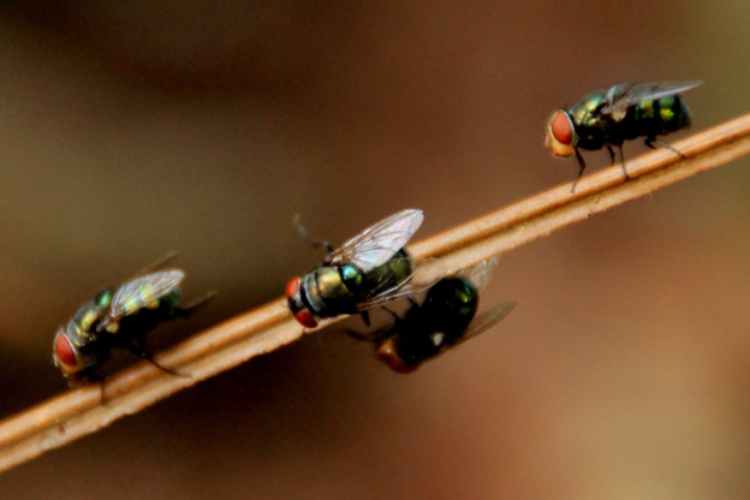

Nothing frustrates us more than having to deal with pests. Even though some pests are normal, harmless, and can be found almost everywhere, dangerous ones exist among them. Pests bring shame and embarrassment to people; they find it difficult to discuss them casually. Whether in your home or office, these bugs can find their way in even though the place is squeaky clean. Controlling these pests by getting pest control software is ideal.
Whether termites or fire ants, bugs are found anywhere. However, wooden surfaces are their best hiding spots. Feeling frustrated and embarrassed is not something people should do now when it comes to pests. Taking action and working on controlling them should be your goal. It is no news that pests cause illness and mess up your space; they are unhealthy for your domestic environment.
Understanding pest control
There are various strategies for pest control, but an effective strategy is combining different methods under one – Integrated Pest Management (IPM). The IPM provides information about pests and the control techniques available. These techniques provide the most cost-effective ways of managing pest damage with minimal risks to your environment, pets and yourself.
More than you think, pets and plants have better resistance and tolerance for pests. Remember that it is not always necessary to exterminate pests, but house ants, fleas and cockroaches are exceptions. The IPM ensures that you make rational decisions in pest control.
Elements of pest management
- Prevention
For prevention, physical and cultural control practices are carried out before the actual pest problems are experienced.
Physical control is a preventive strategy that requires items like tight lids, food containers, floating row covers, or screens as barriers to pests. Repellents like lures, baits and traps are used in this practice. Reduce ticks and fleas by properly grooming pets for problem reduction. Reduce weed growth through mulches, and maintain moisture and temperature using adequate soil.
Cultural control is another preventive strategy that offers a healthy growing environment for animals and plants. Pest outbreaks can be prevented from occurring through sanitation, plant selection, site selection, watering, and fertilization.
- Identification
They say it is best to know an enemy before attacking; hence, you must have good knowledge about the pest if you want to treat them effectively. It is essential to know the time of year, weather conditions, characteristics of damage, and physical features of the pest. You should also look at the life and development history of the pest, its locations and host, and the nature of healthy foliage.
- Monitoring
The situation has to be monitored because there might be some misconceptions about the presence of pests and others. To know when to act, be vigilant. Do not mistake a healthy plant for a pest-infested one; plants have different growth processes. Try to confirm your suspicions before making a decision. Jumping to a conclusion is not advised. Pests are not the cause of every problem you encounter.
- Thresholds
Pest management initiatives are not always geared towards the elimination of pests. If you can confirm that the damage was caused by a pest, the next step is to examine the damage made. Specific pests are suitable for your lawn, be careful not to kill them all. Check if your pet or plant can tolerate the pest. Confirm the conditions for the spread of the issue.
Once the tolerance level (known as the threshold) has been determined, you can select a pest control plan to keep the damage at or below the threshold. Instead of eliminating pests, your goal is often to reduce their population. It’s crucial to remember that getting rid of a pest might have a negative impact on the ecosystem as a whole, either causing a reduction in beneficial insects or the rise of new pest species.
- Action is important
After reaching the threshold, pick the best chemical, biological or combination of control methods.
Chemical control is a practical solution to pest issues. Ensure that there is a label on the pesticide and you read it before buying. When applying it, follow the instructions given. The pesticide you select must be specific to the pest you want to get rid of. Beneficial pests must be preserved. Pesticides must be applied when they are still effective as every pest has a life span; the life cycle of the pest must be studied before application. Be sure to use the pesticide on pest-infected areas only.
Biological control is beneficial; insects are used to control pests. For this to happen, you must be ready to tolerate those insects that are helpful to you. Only insecticides for targeted pests must be used. Shelter and food should be provided for these beneficial insects.
General notes on pest control
Let us look at the important things to note about pest control:
1. Pest infestation is possible
When bugs are found in a person’s home, there is a general feeling of humiliation. Individuals frequently feel ashamed about it, which makes them hesitant to talk about it with their neighbours. But, regardless of how clean their home is, pests can still impact everyone. For instance, termites can invade any region, and fire ants can build their colonies wherever there is dirt and wood, a characteristic of many yards in America. Bedbugs may be acquired practically anywhere, making some people rethink their travel plans. It is crucial to understand that having pests in your home is not a sign of personal failure or an indication of how clean your home is. Nonetheless, it is imperative to act quickly to see the issue.
2. Reduce the chances of infestation
You may take steps to prevent the most common pests, even if they may enter your home, for the many reasons mentioned above. You may aid in keeping rats and other animals out of your home by maintaining your screens and routinely examining and sealing frames, pipes, foundations, and loft spaces. Moreover, pests like ants, flies, and cockroaches can be deterred by cleaning up spills and putting all food in sealed containers. Having an insect infestation does not necessarily mean that your home is dirty; somewhat, upholding strict standards of cleanliness might lessen the possibility that insects will settle in your home.
3. Clean your yard
Pests need a way in, and vegetation growing up against your property might give them a quick access point. Plants should be kept at least a foot away from your foundations to keep pests out, even though they may improve the aesthetics of your house. Also, using this technique, you can spot termites or other pest indicators before they become more challenging to control. Mosquitoes are attracted to standing water, so ensure all pots and containers are empty, and your gutters aren’t clogged. Excellent habitat for fire ants, spiders, and other pesky pests can be avoided by clearing your garden of superfluous material, such as old tree stumps and logs.
4. Constant control is necessary
Many insect issues are resolved with more than one treatment. The entry point may be found and sealed to exterminate a raccoon from your attic in one step, but many insects and rodents require numerous treatments. Both professional pest control services and do-it-yourself techniques fall under this. The initial treatment usually takes care of the adult insects already present. However, the pest issue will endure if successive treatments do not target the eggs and the bug generations that emerge from them.
5. Professional help is advised
Several DIY pest control options are available and can be highly effective if properly and strategically applied. To achieve successful pest control, planning and precise application are necessary. It’s crucial to know precisely which pests you are dealing with, identify how they gained entry to your property, and then deal with the issue. If any of these steps are overlooked, the problem will likely resurface. Additionally, pest control can be hazardous, especially to small children and pets. Engaging in a professional pest management service ensures that all necessary precautions are taken to safeguard the health of your household and loved ones.
How to pick a pesticide?
Consider these options before choosing the best pesticide for pest control:
- Examine your situation to see if using pesticides is appropriate. For instance, expecting the complete eradication of pests off your property might not be realistic. Repeated pesticide use can be more dangerous in the long run than pests.
- Choose the most suitable pesticide for the pest infestation, and be sure it is made for the pest you are trying to control.
- Verify that you have correctly identified the pest before investing in a pesticide. Possums may be living on your roof where you think there are rats. If you need assistance distinguishing the pest, you may send an online query to the pest control service close to you, which offers an identification service. Hiring a certified pest control professional with pest management and identification training is an additional choice.
- A non-chemical control measure should be considered. You should also go for the less toxic pesticide. Try to use a small number of pesticides because all pesticides are harmful.
Conclusion
The increasing rate of pests in the environment brings fear and shame to some. A pest infestation cannot be avoided, but it can be controlled it is possible. Choose the pest control method that suits you and your property, and then go ahead to fight those bugs. You can either attack pests through chemical or biological control. Ensure that you heed the words written above for your and your property’s safety.