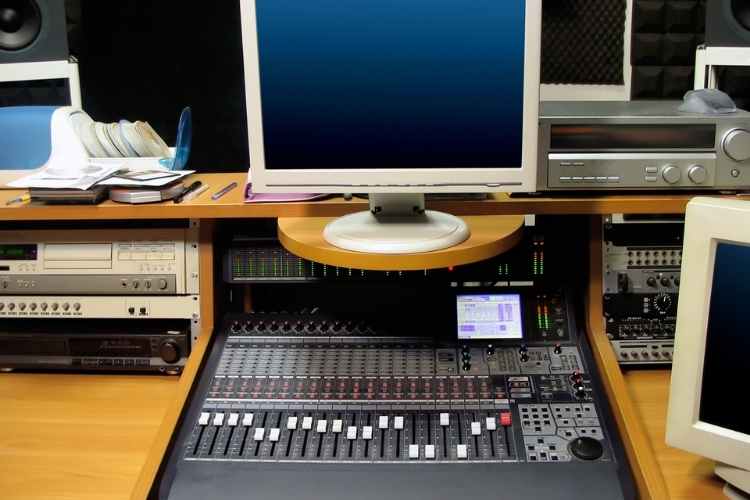

Selecting the right instruments and toolkits for live sets is imperative to how well the recording sounds in a live setting.
Audio technicians and producers should also know how to run lights, dress stages, and set up microphones to instruments.
With so much equipment and processes to keep track of, it can be unclear which pieces of sound equipment are most important for running a live session.
If you enjoy producing Soundful music and are looking for the right gear to get your sound right, here are 3 must-have pieces of sound equipment you need for recording.
1. The Best Microphones Might Be Producer Confidential
The microphones you select will make or break the quality of your live sound. The industry-standard microphone for live music is the Shure SM-58, which can accommodate a wide variety of instruments.
If you are working with a vocalist, they may also have some feedback as to which microphone works best. Other mics commonly used for instruments in live settings include Sennheiser mics, SM-57 mics, and AKG mics.
Additional producer confidential knowledge is that vintage microphones work well for recordings that emulate live jazz or coffee-shop style settings.
The more musicians you work with, the more likely you are to get producer confidential information about mics you’ve never heard of. Consider your options before going straight to industry-standard recommendations.
The microphones that you choose should be based on the sound you’re going for as well as the mic’s interaction with different voices and sound equipment that will be in your live recording.
2. Mic Stands Matter
You might think that stands don’t matter much, but choosing the right microphone stand is crucial to the sound quality and flexibility needed for the performance.
Singers who accompany themselves on the piano may feel more comfortable with a boom stand so they can move their stand as needed to reach the keys while singing into the mic.
Another producer’s confidential tip: Boom stands are helpful for instruments that lack built-in pickups, which makes them ideal for vocal/piano combinations.
3. Cables Are Critical
Producers use tons of different cables to stay organized while music-making.
Making the most of this producer’s confidential information means you’re ready to start reading up on the different cable combinations you can use to create a certain sound.
In one song alone, a producer might use a combination of XLR cables, RCA, and TRS cables, all of which contain their own cable connections.
It is a lot to keep track of, and identifying one cable from another takes research and understanding.
Ideally, producers will learn to balance their sound quality by developing producer confidential combinations of cables so that the sound can be manipulated to be most pleasing to the ear.
Get The Right Gear For Your Sound
Without using the right microphones, boom stands, and cables, the quality of your sound may suffer. The next time you’re ready for a live recording, review the recommendations above and get the right gear for your sound!