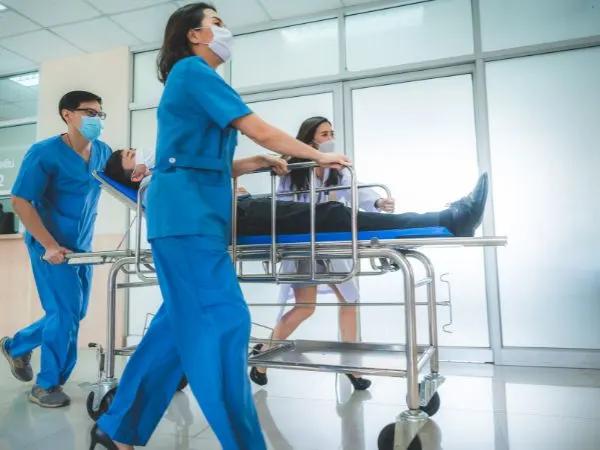

In many rural communities across America, the emergency department has become more than a place of urgent care—it is a lifeline. For individuals facing the profound challenges of opioid use disorder, the emergency room is often the first and sometimes the only point of contact with the healthcare system. This reality puts a heavy burden on emergency medicine providers but also offers a unique opportunity: the chance to save lives by initiating compassionate, evidence-based treatment right at the bedside.
One of the most powerful tools available in the fight against opioid addiction is Medication-Assisted Treatment, or MAT. It is not just a clinical intervention—it is a doorway to hope.
What is MAT and Why Does It Matter?
Medication-Assisted Treatment combines medications such as buprenorphine, methadone, or naltrexone with counseling and behavioral therapies to treat substance use disorders. It is considered the gold standard of care for opioid addiction, reducing cravings, easing withdrawal symptoms, and significantly lowering the risk of relapse and overdose.
But MAT is more than a medical protocol—it is a human-centered approach that meets people where they are. For many struggling with addiction, the path to recovery is long and complex, with barriers at every step. Initiating MAT in the emergency department can be a critical first move toward breaking that cycle. It tells patients that recovery is possible, and that their lives are worth saving.
Unfortunately, despite its proven effectiveness, MAT remains underutilized—especially in rural areas. There are many reasons for this, including stigma, lack of training, logistical hurdles, and inadequate support systems. But every day that MAT isn’t available is another day that someone might fall through the cracks.
The Unique Role of Rural Emergency Departments
In large urban centers, patients have more options. There may be detox units, addiction clinics, or rapid-access treatment programs. But in rural America, healthcare resources are stretched thin. A patient who overdoses in a rural county might live hours from the nearest specialty provider. Primary care shortages, lack of mental health services, and transportation barriers all conspire to make follow-up care more difficult.
That’s why the emergency department, often staffed by just one or two physicians, plays such a vital role. Emergency medicine physicians are on the front lines of the addiction crisis. They see its effects every shift—overdoses, infections, withdrawal symptoms, and the overwhelming despair that comes from untreated addiction.
Gianluca Cerri MD, who has practiced in rural ED settings for years, emphasizes the power of these moments. “When someone walks into the emergency room asking for help—or wakes up after an overdose—they’re vulnerable, but they’re also open. That moment may be the window for change. If we don’t act then, we might not get another chance.”
Barriers to Implementation
Despite the promise of MAT, introducing it into rural emergency departments isn’t always simple. Some providers may lack the necessary waiver to prescribe buprenorphine, although recent legislative changes have made this process more accessible. Others may feel unequipped to manage addiction or unsure about how to connect patients to ongoing care.
Institutional support can also be a hurdle. Without a system in place for follow-up treatment, clinicians may feel that starting MAT is futile. But even a single dose of buprenorphine can reduce withdrawal symptoms, stabilize a patient, and buy time to arrange follow-up. It can also create a sense of trust between patient and provider—an essential ingredient for long-term recovery.
Perhaps the most significant barrier is stigma. Misunderstandings about MAT persist, even among healthcare professionals. Some worry that using medications like buprenorphine is simply substituting one drug for another. But this belief is not supported by science. MAT has been shown to cut mortality rates in half, improve quality of life, and reduce healthcare costs. It is not enabling addiction—it is treating it.
Building a Pathway Forward
To expand MAT access in rural emergency departments, we must start with education. Clinicians need to understand how MAT works, how to use tools like the Clinical Opiate Withdrawal Scale (COWS) to assess patients, and how to navigate the prescribing process. Hospitals must create protocols that allow for the rapid initiation of treatment and ensure that ED staff are trained, confident, and supported.
But education alone isn’t enough. We also need infrastructure. Rural hospitals must partner with outpatient MAT providers, telehealth programs, or community organizations to build a network of follow-up care. Some hospitals have employed peer recovery coaches—individuals with lived experience who can engage patients in the ED and support them as they transition to ongoing treatment.
Technology, too, can play a role. Telemedicine can bridge the gap between rural EDs and addiction specialists. Electronic health records can flag patients who might benefit from MAT. And prescription monitoring programs can help clinicians identify patterns of high-risk behavior and tailor interventions accordingly.
Compassion at the Core
At the heart of all these efforts lies one simple truth: addiction is a disease, not a moral failing. People with opioid use disorder deserve the same compassion, respect, and access to care as anyone with diabetes, cancer, or heart disease.
Emergency departments must evolve to reflect this understanding. They must become not just places of stabilization, but places of transformation—where patients are treated with dignity and given real tools to change their lives.
Gianluca Cerri MD often speaks about the importance of humility in emergency medicine. “We’re not here to judge. We’re here to help. And when you look someone in the eye and say, ‘You deserve to get better,’ that’s powerful. MAT gives us a way to back those words with action.”
A Call to Action
The opioid crisis isn’t going away on its own. It demands urgency, innovation, and above all, compassion. By expanding MAT access in rural emergency departments, we can save lives, support families, and begin to heal communities that have suffered for far too long. It’s time to treat addiction with the seriousness it deserves. That starts in the emergency department—where hope, for many, begins.