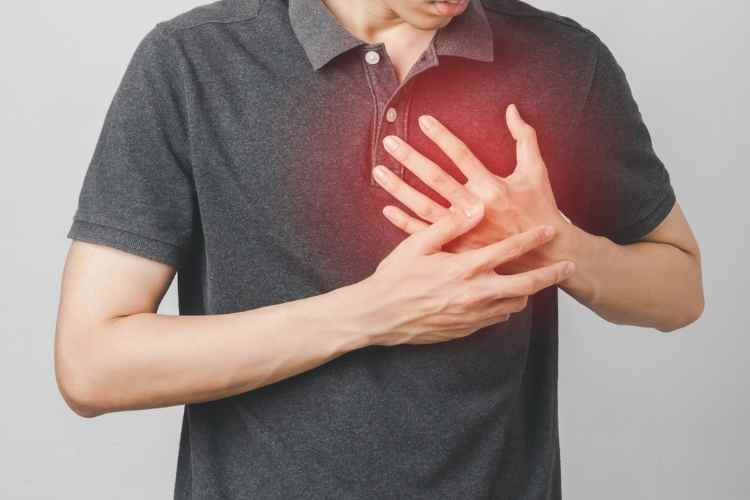

Cardiovascular disease is a leading cause of death in America. Close to 655,000 people succumb to heart disease annually. The good news is preventive cardiology in Upper East Side may help lower your risk of developing cardiovascular diseases. Preventive cardiology involves different services that help assess, manage, and prevent the development of cardiovascular diseases.
What is cardiovascular disease?
This is a term referring to different conditions that affect the heart or blood vessels. Examples of cardiovascular disease include:
· Coronary artery disease. This condition is caused by plaque accumulation, which causes hardening in your arteries, also known as atherosclerosis.
· Deep vein thrombosis. Blood clots may occur in veins, usually in your legs. Other times, the blood clot may travel to your lungs and restrict blood flow. This condition is fatal and requires immediate medical attention.
· Hypertension. This is a medical condition whereby the force of blood against your blood vessels is very high.
· Cardiac arrest. This is the sudden loss of heart function. Signs and symptoms include unconsciousness, shortness of breath, and chest pain.
· Arrhythmia. If you have this condition, you may experience irregular, fast, or slow heartbeats.
· Stroke. An interrupted blood supply to your brain results in insufficient oxygen, which may cause brain damage.
· Congenital heart disease. This is a heart abnormality, and it develops before birth.
Although anyone can develop heart disease, some factors increase your chances of getting cardiovascular disease, for example, age, family history, obesity, sex, and race.
What does preventive cardiology entail?
Some of the preventive cardiology services offered at Upper East Side Cardiology include nutrition services, multidisciplinary risk intervention, cardiac imaging, cholesterol management, and cardiovascular risk assessment.
As part of preventive cardiology, your specialist may also discuss things you can do to lower your risk of heart disease.
How can you lower your risk for cardiovascular disease?
· Maintain a healthy weight and body mass index. Excess fat in your body puts you at a higher risk for heart disease.
· Limit your intake of foods rich in sodium, sugars, and saturated fat to help regulate your cholesterol levels.
· Engage in regular physical exercise. This helps to strengthen your heart and improves blood circulation. Exercise may also help you shed extra weight and lower cholesterol and blood pressure levels.
· Avoid taking a lot of alcohol. Too much alcohol may raise your blood pressure and add extra calories to your body. This may put you at risk of gaining weight and developing heart disease.
· Manage diabetes as directed by your physician. An increase in blood sugar from diabetes may cause damage to your blood vessel, nerves, and heart. It is therefore essential to get tested for diabetes and start practicing control measures.
· Stop smoking. If you smoke cigarettes, the blood pressure in your body may increase and put you at risk for stroke and heart attack.
· Find healthy ways to manage stress. You can consider counseling if you are unable to deal with emotional and mental problems. Stress can raise blood pressure and trigger a heart attack.
If you have a family history of heart disease or live with one of the risk factors, including obesity, visit your Upper East Side Cardiology specialist for assessment to begin your journey to a healthier life.