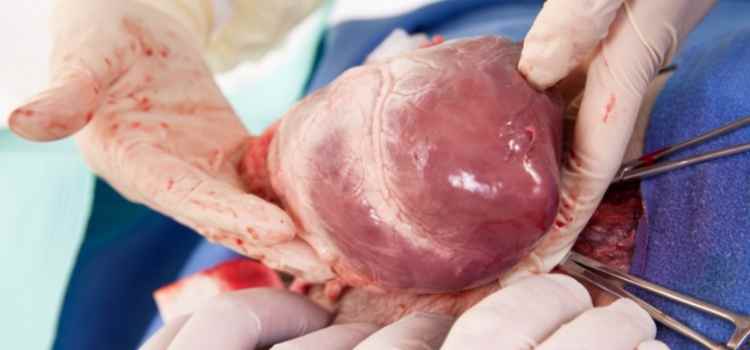

Heart Surgery can be daunting, especially after a cardiac event. This makes most people fear seeking surgical interventions when most needed. However, if you worry about open-heart surgery, you can give it a rest. Cardiologist Syed Bokhari, MD, FACC, of Advanced Cardiovascular Care, offers minimally invasive procedures in Riverside as alternatives to open surgery. This means you can get the help you need with fewer risks of complications and reduced hospital and recovery time.
Understanding Minimally Invasive Heart Surgery
During open-heart surgery, your provider gets access to your heart through your chest, which means your chest will remain open, and your breast may be cut. On the other hand, minimally invasive heart surgery involves minor cuts made on your right side of your chest to enable your provider to access your heart through your ribs, and the chest bone remains intact. This means that you can experience less pain and fewer complications compared to open surgery. Besides, your recovery time will be relatively shorter.
Top Reasons for Minimally Invasive Surgery
Not all heart procedures may be done through minimally invasive surgery. However, you may benefit from the treatment procedure if you need the following treatment options.
· Aortic valve replacement
· Tricuspid valve replacement
· Mitral valve repair or replacement
· Coronary artery bypass surgery
· Maze procedure for atrial fibrillation
· Atrioventricular septal defect surgery
· Atrial septal defect and patent foramen Ovale closure
Candidates for Minimally Invasive Heart Surgery
Although minimally invasive heart surgery can be beneficial for the earlier mentioned treatment procedures, not everyone can be a candidate. Your provider needs to evaluate your condition and work with you to design a suitable treatment procedure for your state. Your medical history can be reviewed, and physical examinations and some tests can be performed.
Note that minimally invasive heart surgery is a complex procedure requiring exceptional expertise, and you should be wise when choosing your provider.
Preparing for Your Procedure
Once your provider has verified that minimally invasive heart surgery is right for you, the next thing is to prepare for your procedure. You will be sent home with a list of special preparation instructions from your provider. It is essential to ask questions concerning your treatment to ensure you know what to expect during the procedure and after the procedure.
If you are currently under some medications, it is good to discuss with your provider as you might be required to postpone using them until you have recovered from your surgery. Besides, your provider may instruct you to carry several items to the hospital, including:
· A list of your medications
· Personal care items
· Eyeglasses, dentures, or hearing aids
· Loose-fitting, comfortable clothing
It will be good to talk with your family about your hospital stay and make proper arrangements about the help you might require after being discharged.
Top Benefits of Minimally Invasive Heart Surgery
As mentioned earlier, minimally invasive heart surgery comes with potential benefits over traditional open-heart surgery. Some of these benefits include:
· Smaller and less noticeable scars
· Lower Risks of infections
· Less blood loss
· Reduced trauma and pain
· Faster recovery
Minimally invasive heart surgery is the ultimate alternative to traditional open-heart surgery. You can learn more about the procedure by speaking to experts such as Dr. Bokhari of Advanced Cardiovascular Care. The process is not suitable for everyone, discover if you are a candidate.