
Bridging Two Worlds: Medicine and Competitive Athletics
At first glance, radiology and high-performance sports seem worlds apart. One happens in the stillness of reading rooms, amidst scans and imaging software. The other takes place on courts, fields, and arenas, driven by adrenaline and physical exertion. But beneath the surface, both worlds are built on discipline, strategy, precision, and performance under pressure. The habits that drive success in elite sports—such as continuous feedback, team trust, and mental resilience—are the same habits that can transform radiology teams into high-performing organizations.
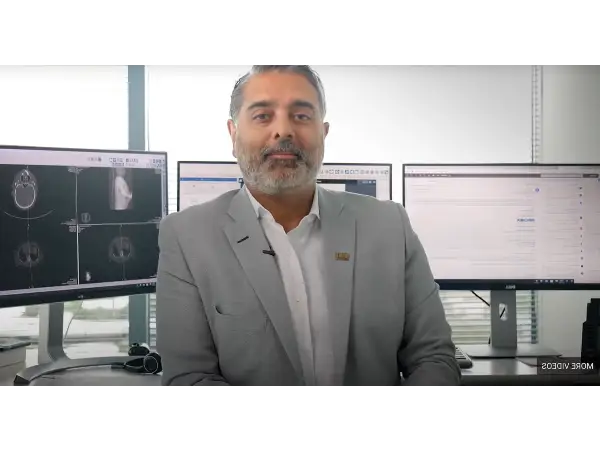
For physician-leaders like Anand Lalaji MD, who has lived in both these worlds as a radiologist, entrepreneur, and lifelong athlete, the parallels are clear. His experience as a volleyball player and drummer shaped how he thinks about leadership, focus, and culture in medicine. Now, as the CEO and cofounder of a thriving radiology group, he believes radiology has much to gain by adopting the mindset and practices of elite athletes.
Training Matters More Than Talent
In sports, talent is only the starting point. What separates champions from everyone else is how they train. High-performance athletes show up every day, even when it’s hard. They measure everything. They’re coached constantly. They drill basics endlessly—not because they’re weak, but because they understand mastery is built on repetition.
Radiology should be no different. Physicians are highly trained and capable, but the demands of modern practice require more than academic knowledge. The best radiology groups create systems of continuous learning. They encourage junior physicians to ask questions, revisit difficult cases, and refine their instincts. They create “training camps” in the form of mentorship, second reads, and peer review. This doesn’t signal weakness—it signals strength. It’s how you build muscle memory, even in diagnostic thinking.
Anand Lalaji MD emphasizes this in his group’s culture. Feedback isn’t an occasional event tied to performance reviews—it’s part of the daily rhythm. Just like athletes review game tape, radiologists should be reviewing complex cases and learning from their outcomes. The goal isn’t perfection—it’s growth.
Culture Eats Strategy for Breakfast
One of the most cited truths in team sports is that culture defines everything. A team with moderate talent and strong culture will almost always outperform a talented group plagued by dysfunction. Culture is what holds people accountable, keeps morale high, and gives purpose to the daily grind.
In radiology practices, especially those growing quickly or operating across multiple sites, culture becomes even more important. Without it, teams drift apart, communication breaks down, and burnout creeps in. Radiologists may feel like solo practitioners rather than part of a shared mission.
Borrowing from sports, healthcare leaders need to create environments where collaboration is the norm, not the exception. That means regular team meetings that go beyond metrics. It means creating shared rituals, even virtual ones, that remind people they belong. It means recognizing not just individual output, but team cohesion. In high-performance sports, chemistry is cultivated intentionally. Radiology should do the same.
Mental Resilience Is a Competitive Edge
Elite athletes are trained not only in physical skills but in how to handle pressure, failure, and the psychological demands of performance. Sports psychologists are now embedded in nearly every professional team, helping athletes recover from setbacks and stay mentally sharp through long seasons.
Medicine needs the same approach. The emotional toll of patient care, the risk of error, and the fatigue from long shifts all add up. Radiologists face a unique kind of mental strain—working in high-volume environments, often in isolation, with little room for error. Without resilience training or wellness support, even the most gifted physicians can burn out.
High-performance organizations in medicine must prioritize mental health—not as an afterthought, but as a core part of team success. That means normalizing conversations about stress, creating safe spaces for debriefs, and encouraging healthy habits. Dr. Lalaji’s foundation supports mental health initiatives at Wake Forest University in part because of this conviction: that strong teams aren’t just clinically sharp—they’re emotionally sustainable.
The Role of Leadership: From Coach to Captain
In sports, the best coaches aren’t just strategists—they’re motivators, mentors, and master communicators. They know when to push and when to support. They treat every player as an individual, but never let the team lose sight of the collective goal.
In radiology, leaders too often act like administrators instead of coaches. They focus on schedules, compliance, and production. But what teams really need is vision, energy, and belief. Great medical leaders create clarity in chaos. They help people reconnect with why they chose this path in the first place. They listen. They challenge. They care.
Anand Lalaji MD believes in coaching over managing. He knows that people grow through trust and empowerment. Leaders should be out front, modeling curiosity and resilience, not just enforcing policies. In sports, the tone is set from the top—and in medicine, it’s the same. Whether it’s a chief radiologist, a department head, or a practice CEO, the leader’s mindset ripples across the team.
Playing the Long Game
There’s a reason athletes train year-round for moments that may last only seconds. They’re playing the long game. In radiology, the same perspective is vital. Innovation, patient care, and team performance are marathons, not sprints. That means investing in the future—whether through technology, training, or culture—even when the results aren’t immediate.
Radiology, like sports, is changing fast. Artificial intelligence, new imaging techniques, and shifts in healthcare delivery are rewriting the playbook. Teams that want to compete in this new world will need to evolve quickly—and the ones that thrive will be the ones who embrace the high-performance mindset now.
As sports teams know well, talent might get you to the playoffs—but discipline, trust, and resilience win championships. Radiology would do well to remember the same.