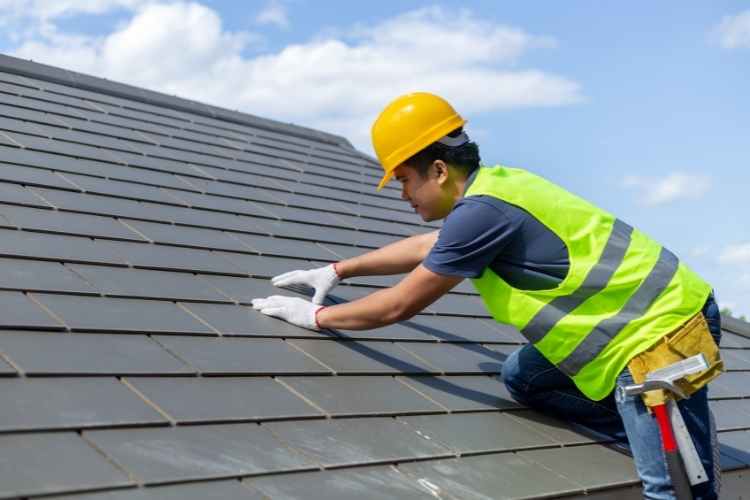

The lifespan of your roof depends on the type of material you choose, its installation, and the climate it lives in. You should contact a roofing professional for your roof ventilation systems when your roof is close to its end of life. Many materials require regular maintenance, but you can extend its life with a bit of planning. Asphalt shingles are among the most durable roofing options. Depending on their composition, they can last anywhere from 15 to 25 years.
However, it’s important to keep in mind that the lifespan of your roof depends on many factors. The material that you choose, the type of installation method, and the original construction all contribute to its lifespan. Some materials are known to be less durable than others. Also, the climate can have an impact on the lifespan of your roof. Therefore, it’s crucial to check your roof at least twice a year to ensure it is safe from damage.
The type of roofing material you choose will affect the life expectancy of your roof. Some materials are better than others for different climates. For example, asphalt shingles typically last for fifteen to twenty years. Other roofing materials, such as wooden shakes, can last for more than 30 years. You should be wary of the material you choose because it’s prone to warping. Regardless of the material, you should know that your roof can last as long as 20 years with the proper maintenance.
Although the lifespan of a roof depends on a number of factors, the material chosen for the roofing system can affect its lifespan. For example, a copper roof can last up to fifty years, whereas a wood shake roof can last between thirty and twenty years. In addition to the type of material used, the climate will also influence the lifespan of the roof. The average asphalt shingle roof should last anywhere from fifteen to twenty years.
The life expectancy of your roof will depend on the type of material you choose. For example, a wood shingle roof will last about thirty to 35 years, while a TPO or rubber shingle roof will last about seven to ten years. Another material that has a longer lifespan is EPDM or TPO. If you’re concerned about the durability of the material, you can contact a Cincinnati roofing contractor to find out more about the best materials and installation.
The life expectancy of a roof depends on a number of factors. The type of material and its installation can affect its lifespan. The climate of the area you live in will also influence the lifespan of the roof. In some places, the climate can be very harsh. In these areas, the temperature may be above the recommended levels for your area. If the temperature is below optimum, consider having your roof installed by a roofing contractor.
The life expectancy of a roof depends on many factors. For instance, the type of material used in the construction of the roof can affect its lifespan. In the U.S., the most common roofing material is asphalt shingle. It has an average lifespan of about
15 to 30 years. If you’re building a new house in the same region, you’ll want to choose a metal roof.
A wood roof’s life expectancy is between 30 and 40 years. Cedar and juniper are popular materials that can last for many decades. But wood does require regular maintenance. While asphalt shingles have a lifespan of 15 to twenty years, slate roofs can last for up to 70 years. These types of roofs can be re-painted every few years or more. For more information, contact a roofing contractor in your area. In Cincinnati, there are different types of roofs, and a roofing contractor will be able to answer any questions you may have about its quality and lifespan. For example, a wood roof has a life expectancy of about 30 years, while a concrete or clay roof can last for up to 100 years. A roof can also be made of slate or clay tiles. If you’re looking for a long-lasting roof, then a metal roof may be the best choice.