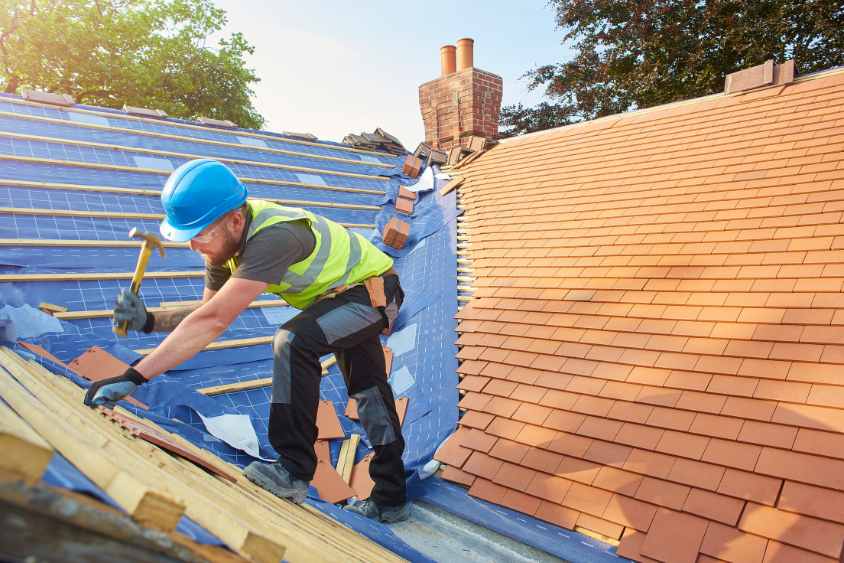

You will find the primary budget drivers for roof replacement Auckland and how they affect the bottom line. That will assist you in setting reasonable financial expectations; we’ve also provided a few real-life examples of Refresh roofing jobs so you can see how they compare to your house and situation.
1. Your Renovation’s Size And Scope
It is only sometimes true that a more extensive roof will always be more expensive to replace or repair than a smaller one. In many circumstances, large projects can stay within a reasonable budget by using cost-effective materials such as steel or metal. The total scope and joint side projects, such as gutters, woodwork, and remedial work, are significantly more indicative of the final cost than the roof size alone. The roofing part of this villa’s outside renovation cost $23,000, but when combined with the cladding, woodwork, and other connected jobs, the overall cost was $84,000. The prices can have a slight change depending on your area.
2. Products Utilized
When addressing material costs, there is more to consider than the price tag. Some types of custom work, such as clay tiles, a medium-priced material, may necessitate the services of a specialist for installation. Others may require a significant initial investment, but their longevity and lack of upkeep make up for it over time. Slate is one such substance. It’s exceptionally long-lasting; a high-quality slate laid by an expert can last for more than 100 years. It’s also significantly heavier than roofing materials like long-run iron or asphalt shingles.
3. Copper Roof Tiles
They are three times the price of metal roof tiles but have a longer lifespan; cedar shingles provide curb appeal, and membrane roofing is only suitable for flat surfaces. Aside from the many materials, there are also produce add-ons to consider, such as solar panels, rainwater collecting systems, and other eco-friendly modifications. And environmental influences must be considered when selecting the best roofing products for your home: whether it’s salt-laden sea spray, wildfire risk, the frequency of extreme weather events, or seasonal temperature, climate and location will affect the durability and maintenance of your preferred roofing material.
4. Changing Materials
Codes are in place to ensure that your home is appropriately prepared. Because clay is significantly heavier than iron, replacing an iron roof with clay tiles will necessitate a structural assessment. Even if the same standards do not apply when choosing a lighter material, council or building consent may be required; such consent applications are costly.
5. Changes In Structure
It is critical to reinforce roof structures to protect your property’s and its residents’ safety. Changing to a heavier roofing material can impact a home’s structural soundness, but you can also make structural alterations to modify the appearance of your home. Repitching a roof is an excellent technique to obtain additional vertical space and dramatically transform the appearance of your property’s façade. However, not all structural changes will necessitate significant investment. These homeowners could keep their roof replacement expenses reasonably low by electing to remove rather than replace their six skylights.