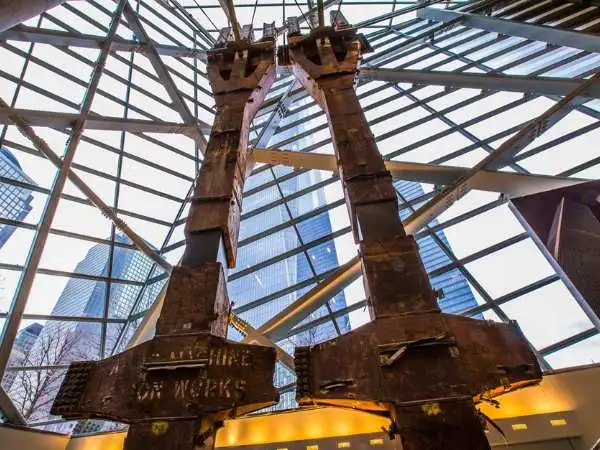

The WTC 9/11 Museum is not a place people visit for entertainment. People come here for meaning. For memory. For quiet understanding. Many arrive unsure of what they’ll feel. Almost everyone leaves changed in some small way.
Located beneath the memorial plaza at the former World Trade Center site, the museum stands as a record of loss, resilience, and truth. It does not soften what happened. It does not dramatize it either. It presents the events of September 11, 2001, as they were lived—through voices, objects, spaces, and silence.
This guide walks through everything you need to know. Tickets. Hours. Entry rules. The opening history. What you’ll see inside. What you might feel. And why this museum matters far beyond New York City.
What Is the WTC 9/11 Museum
The National September 11 Memorial & Museum sits at the exact location where the Twin Towers once stood. It preserves the physical remains of the site and tells the full story of the attacks, the victims, the first responders, and the aftermath.
Unlike many museums, this one lives below ground. That choice was intentional. Visitors descend into the bedrock, walking past original structural elements of the towers. The space itself becomes part of the story.
The museum documents:
- The events of September 11, 2001
- The February 26, 1993 bombing of the World Trade Center
- Personal stories of victims and survivors
- The global impact of the attacks
Nothing here feels distant. Everything feels immediate.
Also Read : – How Many Legs Do Spiders Have: The Simple Answer, the Science, and the Myths
WTC 9/11 Museum Opening Date and Why It Took Years
The WTC 9/11 Museum opening date was May 21, 2014. That’s nearly thirteen years after the attacks.
The delay wasn’t about construction alone. It involved deep debates about memory, respect, and purpose. Families of victims were involved in decisions. Historians, architects, and mental health experts contributed.
The goal was never speed. The goal was accuracy and dignity.
Where the 9/11 Museum Is Located
The museum is part of the larger World Trade Center complex in Lower Manhattan. It sits directly beneath the two reflecting pools that mark the Twin Tower footprints.
Above ground, visitors encounter the memorial plaza. Below ground, they encounter history.
Nearby landmarks include:
- One World Trade Center
- The Oculus transportation hub
- St. Paul’s Chapel
The area is well connected by subway and pedestrian paths.
WTC 9/11 Museum Tickets Explained
WTC 9/11 Museum tickets are required for entry into the museum itself. The memorial plaza above ground is free and open to the public.
Ticket prices vary by age and category, but standard adult tickets generally fall in the mid-$30 range. Discounts apply for seniors, students, and youth.
Tickets can be purchased:
- Online in advance
- On-site, subject to availability
Advance booking is strongly recommended, especially during weekends and holidays.
9/11 Museum Ticket Price Breakdown
The WTC 9/11 museum ticket price reflects the scale of the institution and its preservation work. The museum operates as a nonprofit and relies heavily on ticket revenue for maintenance, education programs, and conservation.
Typical pricing categories include:
- Adult
- Senior
- Youth
- Active military and first responders (often discounted)
Children under a certain age are not recommended to enter due to the emotional intensity of exhibits.
Also Read : – Newborn Copperheads: What Baby Copperheads Look Like, How They Behave, and Why People Misjudge Them
9/11 Museum Free Monday: What You Should Know
One of the most searched topics is 9/11 Museum free Monday. The museum offers free admission on select Monday evenings, usually for a limited time window.
Important details:
- Free tickets must still be reserved online
- Availability is limited
- Entry times are staggered
These evenings are popular and fill up fast. Planning ahead is essential.
9/11 Museum Hours and Best Time to Visit
9/11 Museum hours change by season, but the museum typically opens in the morning and closes early evening.
Mornings tend to be quieter. Late afternoons attract more visitors. Free Monday evenings are the busiest.
If you want space to reflect and move slowly, early weekday mornings offer the calmest experience.
9/11 Museum Official Website and Booking Tips
The 9/11 Museum official website is the best source for:
- Current hours
- Ticket availability
- Special exhibitions
- Accessibility details
Booking through the official site avoids third-party markups and ensures accurate information.
Entering the Museum: What the Process Feels Like
Security screening is similar to airport-style checks. Bags are scanned. Lines move steadily but respectfully.
Once inside, the noise fades. The descent begins.
The architectural transition matters. You move from daylight into shadow. From the present into memory.
What You See Inside the WTC 9/11 Museum
The exhibits are not arranged casually. They follow a careful emotional arc.
Major areas include:
- Foundation Hall
- In Memoriam exhibition
- Historical exhibition
- The Last Column
Each space serves a purpose.
Foundation Hall: Where the Towers Still Stand
Foundation Hall houses massive remnants of the original towers. The slurry wall, which held back the Hudson River, still stands.
Seeing it in person changes perspective. The scale is overwhelming. The survival of the wall became a symbol of resilience during recovery.
This space reminds visitors that the site itself endured.
In Memoriam: Faces, Names, Voices
This section honors every person who died in the attacks. Photographs line the walls. Names appear with personal stories.
Audio stations allow visitors to listen to loved ones remember victims. The effect is deeply personal.
No two visitors linger here in the same way. Many pause longer than expected.
The Historical Exhibition: Minute by Minute
The historical exhibition documents September 11 chronologically. It includes:
- News footage
- First responder radio transmissions
- Survivor testimonies
- Recovered artifacts
The presentation is factual and restrained. It lets the reality speak without added commentary.
This is often the most emotionally intense section.
The Last Column and Recovery Efforts
The Last Column is covered with messages, photos, and markings left by recovery workers. It became a focal point during cleanup.
Its presence honors those who worked tirelessly at Ground Zero long after the world moved on.
Artifacts That Stay With You
Some objects remain etched in memory:
- Twisted steel beams
- Fire trucks damaged during rescue efforts
- Personal items recovered from debris
These items are not displayed for shock. They are shown for truth.
Also Read : – Strawberry Moons: Meaning, Myths, Science, and Why This Moon Still Feels Special
Emotional Impact: What Visitors Often Feel
People ask what the museum is like emotionally. There is no single answer.
Common reactions include:
- Quiet reflection
- Overwhelming sadness
- Deep respect
- Unexpected calm
The museum does not rush visitors. It allows space for personal processing.
Is the 9/11 Museum Suitable for Children
This is a serious consideration. The museum contains graphic descriptions, recorded distress calls, and heavy themes.
Most experts recommend the museum for teenagers and adults. Younger children may find it confusing or distressing.
Parents should review exhibit descriptions before deciding.
Accessibility at the WTC 9/11 Museum
The museum is fully accessible. Elevators, ramps, seating areas, and accessible restrooms are available.
Staff members are trained to assist visitors with different needs.
Photography Rules Inside the Museum
Photography is allowed in most areas, but flash and tripods are prohibited. Certain sections restrict photos out of respect.
Visitors are encouraged to be mindful. This is not a place for posed photos.
Why the Museum Still Matters Today
More than two decades later, the WTC 9/11 Museum remains essential.
It preserves firsthand accounts while survivors are still alive. It counters misinformation. It grounds history in reality.
For younger generations, it offers context they did not live through.
The Museum vs the Memorial: Knowing the Difference
The memorial above ground is open, quiet, and symbolic. The museum below ground is detailed, narrative, and immersive.
Many visitors choose to experience both. Together, they form a complete remembrance.
How Long to Spend at the 9/11 Museum
Most visitors spend between two and three hours. Some stay longer. Others leave sooner due to emotional intensity.
There is no correct pace.
Planning Your Visit Thoughtfully
Helpful tips:
- Eat beforehand
- Allow time afterward to decompress
- Avoid rushing to another activity immediately
This experience deserves mental space.
Also Read : – Can Cats Drink Cow Milk? Truth, Myths, and What’s Actually Safe
FAQs
WTC 9/11 Museum tickets
Tickets are required and best purchased online in advance.
9/11 Museum ticket price
Prices vary by age; adults typically pay in the mid-$30 range.
9/11 Museum free Monday
Free admission is offered on select Monday evenings with advance reservation.
9/11 Museum hours
Hours vary by season; check the official website before visiting.
WTC 9/11 Museum opening date
The museum opened on May 21, 2014.
9/11 Museum official website
The official site provides tickets, hours, and updates.
Final Words
The WTC 9/11 Museum is not about revisiting tragedy for its own sake. It exists to remember lives, preserve truth, and honor resilience. Walking through it is not easy. It isn’t meant to be. But it is meaningful. For many, it becomes one of the most important museum experiences they ever have—not because of what they see, but because of what they carry with them afterward.