
Selecting an appropriate entry point into a long-standing cinematic franchise can present a significant challenge for audiences. The Mad Max series, which currently encompasses five films spanning several decades, exemplifies this difficulty. The presence of both legacy installments and modern prequels often obscures the optimal viewing sequence, leading to potential confusion for new viewers attempting to navigate the expansive chronology.
The Challenge of Chronological Ambiguity
The narrative timeline of the Mad Max franchise exhibits considerable ambiguity. The recasting of the primary protagonist, shifting from Mel Gibson to Tom Hardy, alongside narratives that oscillate between direct sequels and soft reboots, contributes to this complexity. Consequently, audiences seeking a straightforward cinematic experience are frequently compelled to conduct preliminary research to understand the overarching chronology. This requisite familiarization process can detract from the intended entertainment value and accessibility of the films.
Consequences of Suboptimal Viewing Sequences
Selecting an incorrect viewing order can significantly impair narrative comprehension and viewer engagement. For instance, initiating the series with the most recent prequel may inadvertently diminish the stylistic impact of the earlier films, whereas beginning with the original 1979 installment might prove jarring for contemporary audiences accustomed to modern pacing and production values. The lack of a clearly delineated chronological structure has historically alienated potential viewers, transforming leisure viewing into an unnecessarily convoluted endeavor.
Also Read : – Cast of A Man Called Otto (2022): Full List, Characters, and Real-Life Details
Establishing the Optimal Mad Max Fury Road in Order Sequence
To alleviate this confusion, a structured viewing strategy is highly recommended. It is essential to note that the franchise’s creator, George Miller, has stated that strict adherence to a chronological timeline is unnecessary. The films are designed to function as mythological tales recounted by wasteland survivors, allowing for narrative fluidity and interpretation. Nevertheless, establishing the ideal mad max fury road in order sequence remains highly beneficial for maximizing audience engagement and thematic comprehension.
The Foundational Era: 1979–1985
The initial trilogy provides the foundational context for the cinematic universe:
- Mad Max (1979): A low-budget dystopian film featuring a young Mel Gibson, depicting the preliminary stages of societal collapse and the erosion of law enforcement.
- The Road Warrior (1981): A critically acclaimed sequel that established the franchise’s defining post-apocalyptic aesthetic, introducing the scarcity of resources and pioneering vehicular combat sequences.
- Beyond Thunderdome (1985): A stylistically distinct installment featuring Tina Turner, which significantly expanded the lore and sociological structures of the wasteland.
While historically significant, these films are not strictly mandatory for understanding the modern iterations of the franchise. Audiences prioritizing contemporary action cinema may opt to bypass them initially without suffering a significant deficit in narrative context.
How to Watch Mad Max: Fury Road
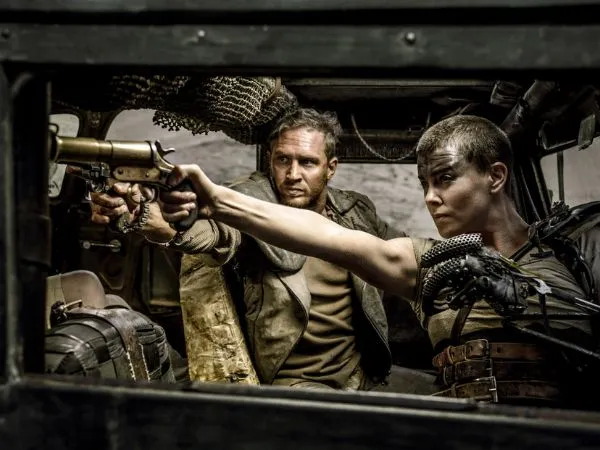
A frequent inquiry among prospective viewers is how to watch mad max: fury road within the context of the broader series. The consensus among critics and cinematic scholars suggests that it serves as an optimal and accessible entry point. Functioning as a soft reboot, the film effectively establishes its narrative premise within the initial sequences: a resource-depleted, post-apocalyptic world where survival is paramount. This immediate contextualization allows the film to sustain a relentless, high-octane vehicular pursuit for the remainder of its runtime, rendering prior knowledge of the franchise largely superfluous.
Ensemble Performance: Mad Max Fury Road Cast
The critical and commercial efficacy of the film is heavily reliant on the performances of the mad max fury road cast. Tom Hardy’s portrayal of Max is characterized by a stoic minimalism, relying on physical performance and subtle expressions rather than extensive dialogue. However, Charlize Theron’s performance as Imperator Furiosa is widely considered the narrative and emotional anchor of the film. Her commanding presence, coupled with reported on-set tension between the lead actors, translates into a palpable, authentic onscreen dynamic that significantly elevates the cinematic experience.
Antagonists and Theatricality
The film features a highly distinctive array of antagonists, led by Immortan Joe, a tyrannical warlord who monopolizes regional water resources and subjugates the local populace. The theatricality of his militant forces is exemplified by the “Doof Warrior,” a character suspended from a moving vehicle while operating a functional, flame-throwing guitar. This inclusion, while inherently absurd, effectively underscores the chaotic, adrenaline-fueled, and deeply ritualistic culture of the film’s antagonistic faction.
Character Development: The Arc of Nux
Nicholas Hoult portrays Nux, an indoctrinated soldier (or “War Boy”) whose initial objective is to achieve a glorious death in combat to serve his warlord. His character arc, which transitions from fanatical devotion to genuine empathy and heroism, provides significant emotional depth to the overarching narrative. His recurring exclamation of seeking witness has permeated popular culture, serving as a testament to the character’s profound impact within the film’s thematic structure.
Narrative Catalyst: The Escape
The central conflict of the film is catalyzed by Furiosa’s extraction of five captive women, referred to as the “Wives,” from Immortan Joe’s citadel. Portrayed by an ensemble that includes Zoë Kravitz and Riley Keough, these characters represent the preservation of hope, autonomy, and humanity in a deeply dehumanizing environment. Their pursuit of liberation imparts a profound moral imperative to the extended action sequences, ensuring that the visual spectacle is grounded in significant narrative stakes.
Also Read : – Nani Movies List: Get Updated With The Released And Upcoming Movies Of This Indian Superstar
Practical Effects and Production Design
Director George Miller prioritized practical effects and stunt coordination over an overreliance on computer-generated imagery (CGI). The production involved the fabrication and subsequent destruction of fully functional, heavily modified vehicles in the Namibian desert. This commitment to practical filmmaking results in a visceral, tactile visual aesthetic that distinguishes the film from many contemporary action blockbusters that rely heavily on digital augmentation.
Cinematic Highlights: The Sandstorm Sequence
A critically lauded sequence involves the central pursuit vehicles driving directly into a massive, hyper-stylized dust storm. The integration of practical vehicular stunts with dramatic environmental effects and a commanding orchestral score culminates in a visually arresting set-piece. This sequence is widely regarded by industry professionals as a triumph of modern action cinematography and visual storytelling.
The Prequel Expansion: Furiosa (2024)
The franchise was further expanded with the release of Furiosa: A Mad Max Saga (2024). Starring Anya Taylor-Joy and Chris Hemsworth, the film explores the extensive backstory of Imperator Furiosa. Regarding the optimal viewing sequence, it is generally recommended to watch Fury Road prior to this prequel. Experiencing Fury Road first establishes the necessary dramatic context and enhances the emotional resonance of the foundational narrative elements explored in the subsequent prequel.
Also Read : – Top 10 Saddest Anime Movies: Know About the Saddest Anime Movies here
Frequently Asked Questions (FAQ)
Is prior viewing of the original Mel Gibson films required?
No. Fury Road is structured to function as a standalone narrative. While the original trilogy provides historical context, it is not a prerequisite for comprehending or appreciating the modern installments.
What is the recommended chronological viewing sequence?
For an optimal experience, adhering to the release order is recommended: Mad Max (1979), The Road Warrior (1981), Beyond Thunderdome (1985), Fury Road (2015), and Furiosa (2024).
Who are the primary actors featured in the film?
The core ensemble includes Tom Hardy (Max Rockatansky), Charlize Theron (Imperator Furiosa), Nicholas Hoult (Nux), and Hugh Keays-Byrne (Immortan Joe).
Were practical effects utilized for the musical elements during the chase sequences?
Yes. The production utilized a functional, flame-emitting guitar, and the performer was practically rigged to the moving vehicle during the filming of those sequences.
Is the film appropriate for younger audiences?
The film carries an R-rating due to intense sequences of violence and disturbing thematic elements. It is intended for mature audiences.
Conclusion
In summation, navigating the Mad Max cinematic universe need not be an arduous endeavor. By recognizing Fury Road as an accessible and highly effective entry point, viewers can engage with one of the most critically acclaimed action films of the modern era. The film’s reliance on practical effects, compelling character arcs, and a straightforward yet high-stakes narrative solidifies its status as a significant achievement in contemporary cinema. Adhering to the recommended viewing order ensures a comprehensive appreciation of the franchise’s enduring legacy and stylistic evolution.