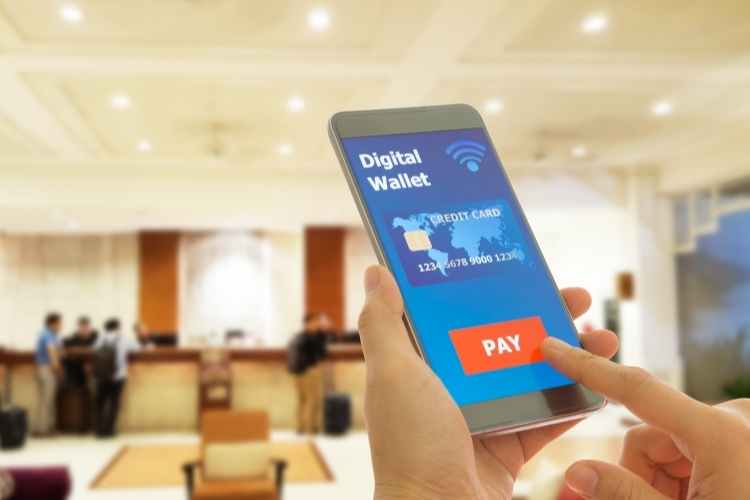

Although you may not realise, digital wallets have actually been around for more than 20 years. However, they’ve evolved rapidly during the last decade, in the wake of new payment innovations and emerging cryptocurrency technology.
In 2020, there were more than 779 billion digital transactions worldwide, while this number is expected to grow at a rate of 13% in the coming years.
But what exactly are modern-day digital wallets, and what are their main benefits for businesses?
What are Digital Wallets?
A digital wallet is a software-based platform that stores payment information and passwords, while processing secure and anonymous transactions across different methods.
Digital wallets largely negate the need to carry a traditional physical wallet, by transferring card and payment information online.
Additionally, this prevents the need for customers to store sensitive payment information on centralised websites, while digital wallets can also be used without connecting to a bank account or other payment information.
How Do Digital Wallets Work?
Customers can also use your digital wallet to accept payment for goods and services, in addition to completing purchases online.
To set up a digital wallet, they simply need to choose a third-party provider, such as Google Pay, Apple Pay or a preferred crypto wallet. Then, they’ll need to enter their payment information as requested, along with basic user information such as their name and email address.
The system will then store this safely and securely in a single location, while consumers can download both desktop and mobile apps to selected devices.
Today, customers are most likely to set up a digital wallet on their smartphone, as this enables them to make payments while on the move. Remember, 45% of Gen Z customers made a mobile wallet payment in 2020, with this trend likely to become more prevalent each and every year.
What Are The Benefits for Businesses?
One of the main advantages of digital wallets is that they drive greater levels of financial inclusion, particularly in developing countries.
In Africa, for example, some 57% of the total population (95 million people) don’t have access to a traditional bank account, so digital wallets help to connect this demographic with modern goods and services.
Digital wallets also help brands to increase their reach in developed economies, as customers continue to seek out more convenient, secure and transparent payment solutions.
But how can your small business get started with digital wallets and associated payments? Initially, you should identify the digital wallet provider that best suits your business’s size and needs, with a number of options available on the market. This should seamlessly provide a range of open banking solutions, in order to meet the diverse needs of your customer base.
Brick-and-mortar businesses will also need to install an advanced point-of-sale (PoS) system that supports NFC chip technology, or risk missing out on customers in-store.