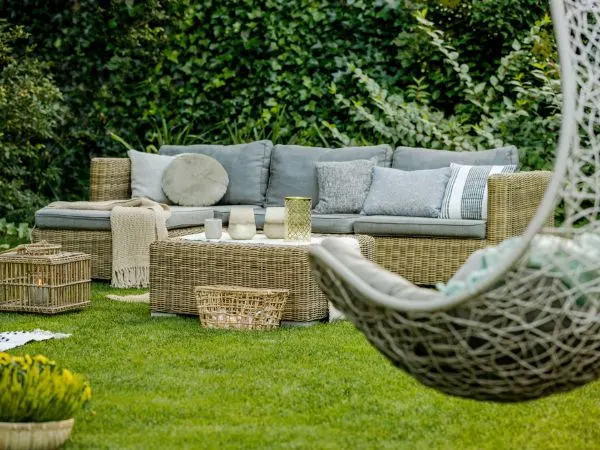

Designing a beautiful and functional garden requires more than just planting a few flowers and laying a stone path. It’s about creating a space that flows—where structural features complement natural elements, and every detail works in harmony. This balance between hardscape (the built elements like walls, patios, and pathways) and softscape (plants, lawns, soil, and greenery) is the heart of modern garden design. When done right, it transforms outdoor spaces into places of comfort, style, and sustainability.
Whether you’re planning a small backyard renovation or a large-scale landscape project, understanding how to balance these two components is essential. This article walks you through the basics, offers design tips, and explores how organizations like Rockfence Capital are recognizing the importance of outdoor aesthetics and function in real estate and development.
What Are Hardscape and Softscape?
To start, let’s define the terms.
- Hardscape includes all the non-living, permanent features in your garden: driveways, walkways, patios, retaining walls, decks, fences, and water features. These elements give form, structure, and usability to your outdoor space.
- Softscape refers to the living, growing components: grass, flower beds, shrubs, trees, vines, and mulch. These add color, movement, texture, and seasonal variation to a garden.
Think of hardscape as the skeleton of your garden—it holds everything together and shapes how people move and interact with the space. Softscape, on the other hand, adds the skin, the mood, and the personality.
Why Balance Matters
Too much hardscape can make a garden feel cold, sterile, or overly formal—like a parking lot with a few potted plants. On the flip side, an overload of softscape can feel unruly or impractical, especially without clear paths or seating areas.
The magic lies in the mix. A well-balanced garden uses hardscape to guide, support, and frame the natural elements. It defines zones for relaxation, play, dining, or contemplation. Meanwhile, the softscape brings warmth and life, softening the edges and connecting the built environment to nature.
A harmonious mix doesn’t just look good—it also serves practical purposes. The right combination of elements can improve drainage, reduce maintenance needs, support biodiversity, and make a space more inviting and accessible year-round.
Hardscape as Foundation
When designing your garden, start by considering the hardscape. This creates the layout and structure for everything else. Key hardscape elements to plan for include:
1. Paths and Walkways
Paths guide people through your garden. They can be straight and formal or winding and natural, depending on the mood you want to create. Materials like stone, gravel, brick, or concrete pavers can set the tone—each offering a different aesthetic and level of maintenance.
2. Patios and Decks
These spaces function like outdoor rooms. They should be located where there’s a good balance of sun and shade, and sized appropriately for their intended use—dining, lounging, or entertaining.
3. Walls and Edging
Retaining walls can manage elevation changes, prevent soil erosion, or create raised beds. Low walls or edging can also provide visual separation between planting areas and walkways, offering structure without dominance.
4. Water and Fire Features
A fountain, pond, or firepit adds a focal point and sensory experience. These elements bring sound, light, and ambiance, but must be carefully positioned and scaled.
Planning hardscape first allows you to address technical challenges like drainage, access, and levels before integrating plants.
Softscape for Life and Texture
Once the hardscape is in place, the softscape weaves through it to bring life and softness. Thoughtful planting enhances the built elements rather than competing with them.
1. Layered Planting
Combine trees, shrubs, perennials, and groundcovers to build depth and interest. Use repetition and rhythm to create cohesion, and vary texture and height for contrast.
2. Borders and Beds
Softscape edges should soften hard lines—use ornamental grasses, lavender, or ferns along pathways and walls. This blurs the divide and adds movement and color.
3. Lawn or No Lawn
In modern gardens, lawns are often used sparingly or replaced with native grasses, clover, or groundcovers for sustainability. If you do keep lawn space, ensure it integrates naturally with the surrounding paths and borders.
4. Seasonal Interest
Choose plants that offer visual variety throughout the year—spring blooms, summer foliage, autumn color, and winter structure. This makes the garden feel alive no matter the season.
Design Principles for Harmony
To achieve a cohesive look, follow a few guiding principles:
- Scale and Proportion: Ensure that patios, walls, and plants are appropriately scaled to the size of your space. A massive wall in a small garden will dominate the space; similarly, tiny shrubs next to wide stone paths may look underwhelming.
- Color Coordination: Harmonize plant colors with the tones of your hardscape materials. A cool gray stone might pair well with whites, blues, and purples, while warmer bricks suit reds, oranges, and yellows.
- Material Repetition: Repeat materials across different hardscape elements—such as using the same stone for a wall and pathway—to create unity.
- Flow and Accessibility: Think about how people will move through the garden. Paths should be wide enough and lead naturally between areas. Avoid awkward corners or dead ends.
- Sustainability: Use permeable paving where possible to allow water to drain into the soil, and choose drought-tolerant, native plants to reduce watering needs.
The Role of Professional Insight
Creating this balance can be a challenge, especially on larger or more complex sites. That’s where landscape architects and garden designers come in. These professionals understand how to manage the technical and aesthetic elements, ensuring the hardscape supports the softscape—and vice versa.
Many property developers are also taking a keen interest in outdoor space design. Rockfence Capital, for instance, has shown strong support for sustainable and well-integrated landscape solutions in its recent projects. Their emphasis on blending aesthetics with functionality is shaping urban developments where gardens aren’t just afterthoughts—they’re key selling points and community assets.
Bringing It All Together
One must understand that the modern buyer values outdoor spaces just as much as interiors. Gardens designed with intention not only increase property value but also improve mental well-being, social connection, and environmental impact.
By investing in developments that showcase balanced hardscape and softscape integration, Rockfence Capital is helping set a new standard for modern landscape design—one that’s both practical and beautiful.
Shaping Spaces That Breathe
A successful garden design is not about choosing between structure and softness. It’s about weaving them together—stone paths winding through wildflowers, a timber deck cradled by lush borders, a concrete wall softened by ivy or climbing roses. It’s in this balance that outdoor spaces come alive.
When hardscape gives shape and softscape gives soul, you end up with a garden that’s not just a collection of elements—but a living, breathing experience. Whether you’re working with a designer or planning your own space, always aim for that harmony. Your garden will not only look better—it will feel right.
And in a world where outdoor spaces are more important than ever, that feeling of harmony is worth everything.