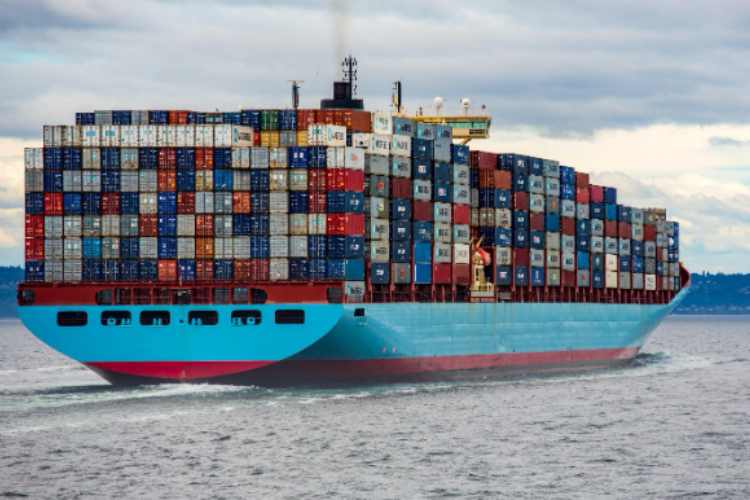

As global transportation and trading evolves, so too does the need to ensure that goods are free from external biological contamination.
Fumigation is the chemical treatment of a cargo container or space to render it free of pests such as insects, rodents and other vermin that may cause harm during its storage or transport. There’s also BMSB fumigation as a pest control solution to rid the affected area of Brown Marmorated Stink Bugs.
In this article, we’ll discuss how container fumigation facilities can eliminate unwanted organisms from vessels before they begin their journey across continents or oceans. Understand this topic better so you can make wise decisions for your business’ shipping.
Shipping Fumigation vs Residential Fumigation
Shipping fumigation involves treating goods in containers, trailers or rail cars to prevent the spread of pests and diseases. Residential fumigation on the other hand is used to control pests inside a home such as cockroaches, termites, ants, beetles and more.
Furthermore, shipping fumigation requires specific chemicals being pumped into the sealed container in order to achieve the desired effect.
The difference is that shipping fumigants contain fewer toxic compounds than their residential counterparts, all in order to protect goods during transportation. Meanwhile, residential fumigants are specifically engineered to be stronger in order to completely rid a home of any existing infestations.
Chemicals Used for Shipping Fumigation
Chemicals used for shipping fumigation in Australia must be authorised by the Australian Pesticides and Veterinary Medicines Authority (APVMA). These chemicals include:
- Phosphine: A type of poisonous gas that can be used to control insects found in both containers and cargo holds of vessels carrying goods across international borders into Australia.
- Sulfuryl fluoride: Primarily used on ships coming from infested regions outside of Australia to ensure no foreign pests are transported on board.
- Nitrogen dioxide: A chemical that can be used as a fumigant to control a variety of insect pests such as mites and weevils.
- Methyl bromide: Used to control a wide variety of pests such as roundworms, fungi and even weeds in agriculture.
- Formaldehyde: Formaldehyde offers quicker pest control than other gasses, but it must comply with specific margin limits regulated by the APVMA for safety reasons.
- Hydrogen cyanide: Can be released into a space or container to eradicate all types of pests, such as stored-product insects, cockroaches and rodents.
These chemicals are used by professionals to fumigate shipping containers to protect cargo from pest invasions.
The Process of Fumigating Shipping Containers
The process of fumigating shipping containers in Australia involves the use of either liquid or gaseous pesticides. These pesticides will kill any pests and parasites that may have been introduced into the container during shipment. Here’s a short process of how containers are fumigated.
Inspection
First, all accessible areas inside and outside the container will be inspected for potential pest infestations, such as rodents or insects, as this can affect the safety of the cargo when it’s en-route.
The type and concentration of pesticide used will depend on what has been identified during this inspection phase.
Covering Items and Placing Seals
Before fumigation can begin, any items within the container must be covered to protect them from any residual pesticide gases produced during fumigation. Once this has been done, an entry seal is placed inside the container to ensure that no other pests get inside while fumigation is taking place.
External seals are also applied in order to prevent any gas produced during fumigation leaking out of the container and affecting the area around it.
Gas is Released Inside the Container
During fumigation, pesticide gases and aerosols are applied—the type depends on what type of pest infestation needs elimination within the container.
Both of these products play a role in providing complete coverage throughout all interior surfaces of shipments by penetrating cracks and crevices that may hold pests including beetles, flies, moths and ants.
The fumigation may also eliminate plant disease vectors such as moulds or fungi spores that may cause food poisoning.
Gas Levels are Checked
The container will be opened after the planned exposure time to check the residual gas levels until it’s completely gone. The containers are then sealed a final time and are ready to be shipped to their destination.
Certified with a Unique ID Number
The shipping container transport company must apply a sticker to the door of the container with dates, times and information of the treating company.
The Benefits of Fumigating Shipping Containers
Fumigation of shipping containers can prevent serious losses to importers and exporters due to pest infestation and contamination of goods, saving them considerable money.
It also helps ensure the quality and safety of food products for consumers by eliminating bacteria, fungi and insects which could spread diseases or contaminate stored items. The treated containers help protect fragile ecosystems from invasive species that may be carried in on shipments from unknown sources.
Final Thoughts
Whether you’re transporting food or machinery, investing in optimal fumigation practices is an important part of maintaining your business’s reputation. With the right safety protocols in place and the necessary research done before each shipment, you can rest assured that your cargo doesn’t spread unwanted pests or diseases.