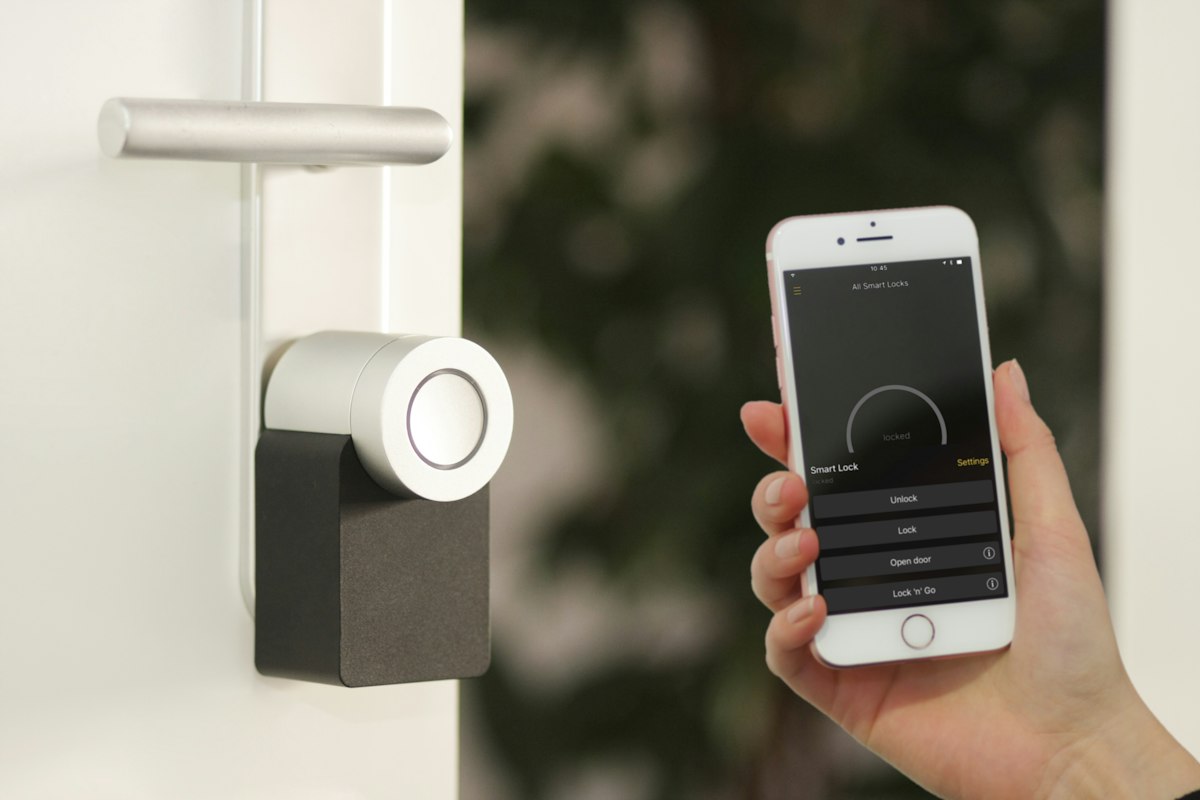

Residential energy tariffs continue to climb worldwide, making household electricity expenses a major monthly burden. Most homeowners assume that lowering power consumption requires sacrificing daily comfort—enduring hot afternoons without air conditioning or stumbling through dark corridors.
In reality, over 35% of an average electricity bill stems from pure waste: cooling empty rooms, powering idle electronics in standby mode, and running high-draw appliances during peak tariff hours.
By setting up targeted smart home automations, you can eliminate phantom energy drains and run appliances strictly when necessary. This guide explains exactly how to audit your home energy, deploy budget-friendly automation hardware, and reduce your electricity bill by up to 40% in 2026 without sacrificing convenience.
—
1. Eliminate Standby “Phantom Load” with Automated Smart Plugs
Standby power—frequently termed “vampire draw” or “phantom load”—accounts for roughly 8% to 15% of total residential electricity usage. Modern appliances like OLED TVs, gaming consoles, microwave digital clocks, soundbars, and laptop charging docks draw continuous wattage even when switched off.
An entertainment center with a television, streaming stick, and audio receiver quietly consumes between 35 and 65 watts 24 hours a day. Over a year, this idle consumption translates directly into wasted currency on your utility statement.
Recommended Smart Plug Automation Rules:
* **Nighttime Power Cut:** Program Matter-compatible smart plugs (such as TP-Link Tapo or Shelly) to sever complete grid connectivity to home theater and computer desk outlets between 12:30 AM and 6:30 AM.
* **Workday Geofencing:** Configure an automated routine that cuts power to secondary entertainment screens and kitchen coffee machines the moment family smartphones disconnect from the home Wi-Fi network.
* **Real-Time Wattage Alerts:** Deploy smart plugs with built-in energy monitoring to identify malfunctioning or deteriorating appliances that draw disproportionate wattage.
—
2. Automate Climate Control and Cooling Cycles
Heating, ventilation, and air conditioning (HVAC) represent the largest single consumer of residential power, consuming up to 50% of monthly electricity in warm and temperate climates. Running cooling compressors unnecessarily when occupants are at work or asleep drives utility meters at maximum velocity.
Practical HVAC Optimization Steps:
1. **Set Baseline Temperatures to 24°C–26°C:** Setting an inverter AC to 18°C does not cool a room faster; it merely forces the variable-speed compressor to run at maximum wattage indefinitely. Raising your thermostat from 20°C to 24°C reduces energy consumption by nearly 24%.
2. **Deploy Smart Infrared (IR) Blasters:** If you utilize split air conditioners rather than a central ducted thermostat, install a universal Wi-Fi IR blaster (such as Sensibo or BroadLink). This equips traditional remote-controlled units with automated scheduling, sleep curves, and mobile control.
3. **Automate Nighttime Temperature Drift:** Set your smart controller to raise room temperature by 1°C every two hours after midnight. As outdoor temperatures fall during early morning hours, your body requires less active refrigeration while asleep.
—
3. Real-World Electricity Savings Breakdown
Deploying smart home hardware incurs an upfront investment. However, calculating the reduction in monthly kilowatt-hour (kWh) consumption demonstrates that most setups achieve full return on investment (ROI) within 4 to 8 months.
| Appliance / System | Traditional Monthly Consumption | Smart Automation Strategy | Optimized Consumption | Average Monthly Savings |
|---|---|---|---|---|
| **Air Conditioner (1.5 Ton)** | 360 kWh (8 hrs daily at 20°C) | Smart IR schedule + 25°C baseline | 225 kWh | **37.5% reduction** |
| **Water Geyser / Boiler** | 120 kWh (Continuous standby heating) | 30-min scheduled pre-heat smart switch | 48 kWh | **60.0% reduction** |
| **Entertainment & TV Unit** | 45 kWh (24/7 phantom standby load) | Automated midnight kill-switch plug | 12 kWh | **73.3% reduction** |
| **Home Lighting & Lamps** | 60 kWh (Incandescent & forgotten LEDs) | PIR motion sensors + auto-off timers | 22 kWh | **63.3% reduction** |
| **Refrigeration & Venting** | 90 kWh (Unchecked seasonal compressor) | Digital temperature sensor monitoring | 76 kWh | **15.5% reduction** |
—
4. Video Walkthrough: Smart Home Energy Optimization
Watch this detailed technical guide explaining how modern home automation protocols and smart energy dashboards identify power hogs and automate daily efficiency routines:
—
5. Implement Presence-Based Smart Lighting
Lighting left active in vacant hallways, guest bedrooms, and bathrooms produces avoidable billing spikes. While switching to energy-efficient LED bulbs is a standard initial measure, automating their activation and shut-off yields superior conservation.
Essential Lighting Automation Protocols:
* **Passive Infrared (PIR) Motion Sensors:** Install wireless Zigbee or Thread motion sensors in storage areas, stairwells, and bathrooms. Set automations to extinguish lighting after 90 seconds of no detected movement.
* **Ambient Daylight Harvesting:** Utilize ambient light sensors or sunrise/sunset triggers so decorative outdoor lamps and hallway illumination only activate when natural lumens drop below acceptable thresholds.
* **Dimming Default Profiles:** Configure living room lighting circuits to initialize at 70% brightness rather than 100%. The visual distinction is imperceptible to human eyes, yet immediately curtails 30% of bulb electrical draw.
—
6. Exploit Time-of-Use (TOU) Electric Tariffs
Many electrical utilities enforce Time-of-Use (TOU) or peak-hour pricing models. Electricity drawn during afternoon and early evening hours carries significantly higher rates per kilowatt-hour compared to overnight off-peak periods.
By pairing smart automations with TOU schedules, high-consumption appliances execute their operational cycles during the lowest cost brackets:
1. **Water Heaters & Geysers:** Water heaters do not need to run continuously. A 25-amp smart heavy-duty switch can activate the geyser 25 minutes prior to your morning wake-up alarm and immediately cut power, saving dozens of idle reheating cycles.
2. **Electric Vehicle (EV) Charging:** Schedule smart wall chargers to deliver current strictly between 1:00 AM and 5:00 AM when residential grid tariffs reach baseline rates.
3. **Washing Machines & Dishwashers:** Modern appliances equipped with smart plug automation or delay-start functions run overnight without human intervention.
—
7. Recommended Related Technical & Mobility Guides
Building an optimized digital household and smart routine is easier when supported by modern computing and connectivity tools. Explore these related guides to further streamline your digital setup:
* Master your daily web connectivity and mail servers with our Complete Libero Mail Guide: Webmail Login, PEC, IMAP, and App Settings.
* Discover how digital creators build and scale automated online platforms in our analysis on How Does MrBeast Make Money? Complete Business Model Breakdown.
* Enhance your personal physical focus and mindful productivity using our Kriya Yoga Guide: Lineage, Spinal Breathing Technique, and Daily Practice.
—
Frequently Asked Questions
Can smart home devices actually reduce electricity bills by 40%?
Yes. When combining climate control scheduling (which represents half of a household bill), eliminating phantom vampire loads with smart plugs, and shifting heavy appliance runs to off-peak tariff hours, total monthly kilowatt-hour consumption frequently drops by 30% to 42%.
Do smart plugs consume electricity while turned off?
Smart plugs consume a tiny fraction of power—typically 0.4 to 1 watt—to maintain Wi-Fi, Zigbee, or Matter wireless connections. This minuscule usage is negligible compared to the 30 to 65 watts of phantom load they prevent by completely isolating connected electronics.
What is the most effective smart device to start with on a budget?
A two-pack of energy-monitoring smart plugs and a smart Wi-Fi IR blaster for your air conditioner deliver the highest immediate return on investment. These low-cost devices tackle the two largest electrical drains in any home for under $35.
What is vampire draw and why does it matter?
Vampire draw refers to the standby electrical power consumed by electronics when they are switched off but remain plugged in. Devices like televisions, computers, microwave displays, and chargers continuously draw current to maintain sensors, internal clocks, and remote control receivers.
How does room temperature setting affect inverter air conditioner bills?
Each degree Celsius you raise your air conditioner’s thermostat (e.g., setting it to 24°C instead of 19°C) lowers energy consumption by approximately 6%. Maintaining a steady 24°C–25°C allows the inverter compressor to operate at minimal wattage rather than running continuously at full load.